
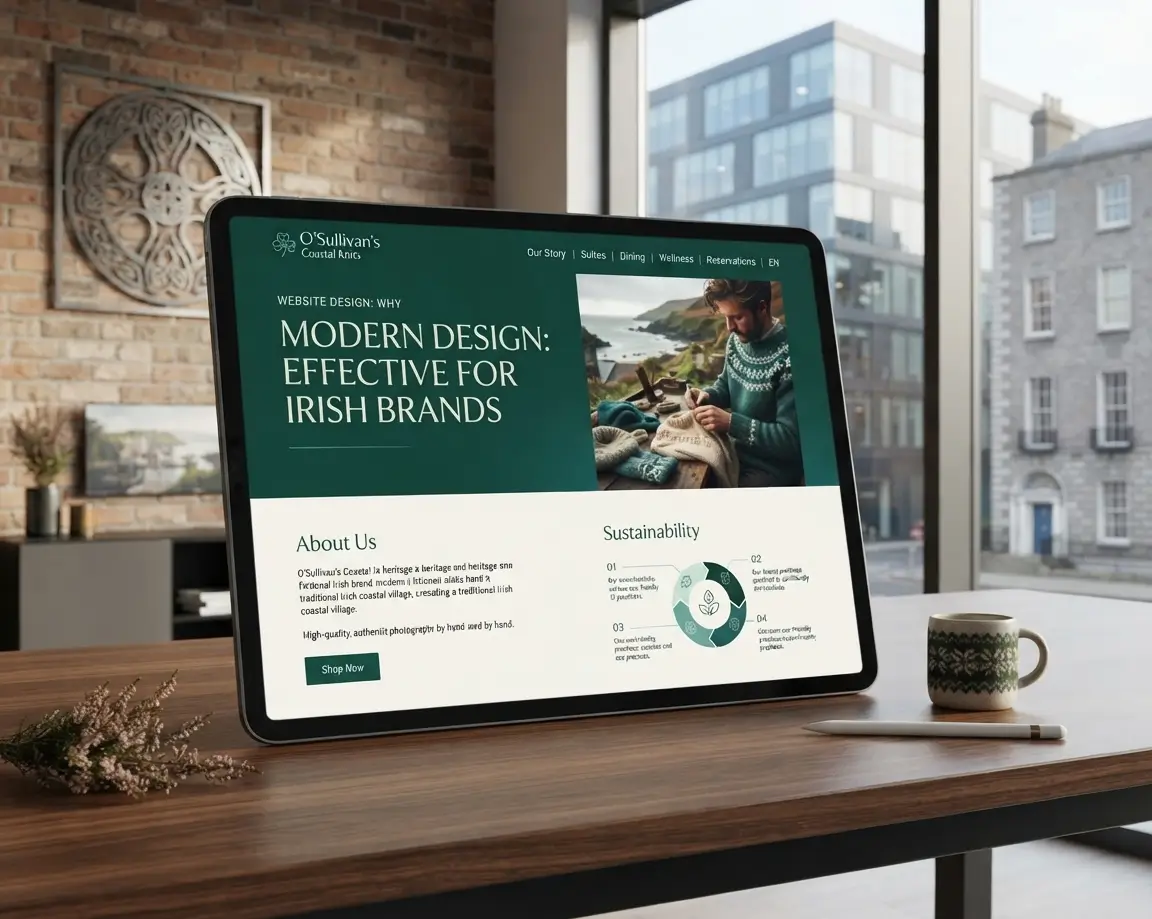
Why Modern Website Design Matters More Than Ever for Irish Businesses
Table of Contents
The modern visitor is always short on time and won’t think about giving a second chance to your website.
Whether someone is comparing local businesses or considering an online purchase, they often decide within moments whether a company feels credible. Those first few seconds are shaped less by the words on the page and more by the overall experience. Visitors frequently leave before learning what the business actually offers if a website loads slowly or feels difficult to navigate.
That is why modern website design has become far more than a visual exercise. It influences trust, and, ultimately, business growth.
Keep reading to know how this happens.
Why You Need A Modern Web Design
Here is why an innovative website design can bring some real results for your business.
A Professional Website Creates Immediate Confidence
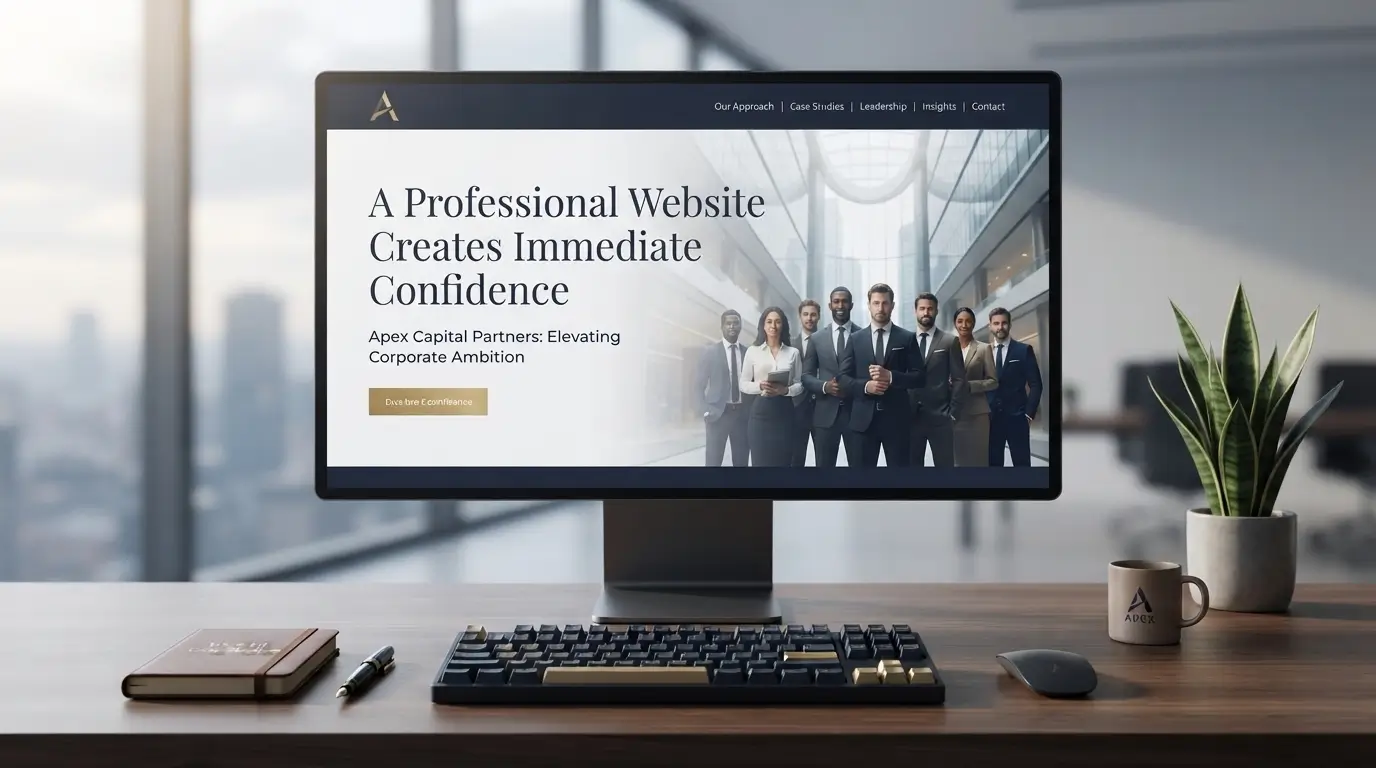
Consider someone who is browsing two businesses offering the same service.
- One website loads quickly and looks polished across every page.
- The other has inconsistent layouts and content that feels years out of date.
Most people instinctively place greater confidence in the first business, but it won’t just be about how the website appears.
This reaction isn’t simply about appearance. Visitors often associate a well-maintained website design Ireland with professionalism and attention to detail. Customers naturally expect similar standards in its products or services when they see that a company is investing in presenting itself properly online.
This is how the website becomes the first conversation a business has with potential customers.
Design Influences How Long Visitors Stay
Attracting visitors is only part of the challenge, and keeping them engaged requires some extra effort as well.
Modern website design makes information easier to absorb through logical page structures and thoughtful spacing. A good website guides people naturally from one section to the next instead of overwhelming visitors with dense blocks of text.
Small improvements such as the following can significantly improve how comfortably users explore a website and make it easier for them to browse.
- The use of clear headings
- Setting an intuitive navigation
- Adding consistent layouts.
Mobile Experience Can No Longer Be an Afterthought

The majority of online browsing now happens on mobile devices, and this is why customers expect websites to function just as smoothly on a smartphone as they do on a desktop computer.
But slow loading times and awkward menus quickly create frustration.
This is where responsive website design solves these problems by adapting content to different screen sizes without sacrificing usability.
But if your business ignores mobile performance, it will risk losing potential customers before meaningful engagement even begins.
Modern websites recognise that convenience has become one of the strongest influences on customer decisions.
Website Speed Shapes Customer Decisions
Patience has become increasingly limited online.
You will see only a few visitors wait for slow pages to load when competing alternatives are only a search result away.
Modern website design places considerable emphasis on performance by optimising images and reducing unnecessary loading delays.
Faster websites improve the user experience while also supporting search engine visibility.
More importantly, they remove barriers between customers and the information they are trying to find.
A fast website communicates efficiency before a visitor reads a single sentence.
Clear Navigation Helps Visitors Take the Next Step
Your visitors should never have to guess where to click next.
The journey should feel simple if someone wants to request a quotation or read about your services. Confusing menus and cluttered layouts often lead to frustration rather than enquiries.
Modern website design focuses on removing unnecessary obstacles. Features such as logical page hierarchies and well-placed calls to action help visitors reach their destination without feeling lost.
The effortless feeling of using your website will convince people to engage more with your brand and explore more about it!
Trust Is Built Through Consistency
Trust won’t develop because of a single design feature. You will see it growing through consistency.
Visitors notice when colours, typography, photography and messaging work together. They also notice when those elements appear disconnected.
Consistent branding creates familiarity across every page.
- Contact information remains easy to find.
- Buttons behave predictably.
- Navigation follows logical patterns.
These details may seem minor individually, but together they create an experience that feels dependable.
This is the reason most of the businesses get all their visuals prepared from a professional logo design agency.
People are generally more comfortable doing business with organisations that appear organised and professional.
Search Engines Reward Better User Experiences
Search engine optimisation isn’t limited to keywords and content.
Google also considers factors that affect the overall user experience, including mobile responsiveness and website structure.
A modern website design makes it easier for search engines to understand page content while helping users find information quickly.
But you need to keep in mind that a good design alone won’t guarantee higher rankings, but it will definitely provide a solid foundation for all of your digital marketing efforts.
Growth Begins with Better Experiences
Businesses often think of websites as online brochures, but they function more like digital storefronts.
Every visitor forms an opinion based on how easily they can interact with the site. A positive experience encourages enquiries and purchases. On the other hand, a poor experience usually sends potential customers elsewhere.
Modern website design supports business growth by reducing all sorts of delays throughout the customer journey. Every interaction contributes to whether someone decides to move forward, from the first homepage visit to the final enquiry form.
FAQS
How frequently should I redesign my website?
There is no specific timeframe, but many businesses review their websites every three to five years to make sure that they continue meeting changing technology standards and customer expectations.
Does a modern website need to follow current design trends?
Not necessarily. Your website should prioritise usability and brand identity over temporary design trends that may quickly become outdated.
Can small businesses benefit from modern website design?
Why not? A professional and easy-to-use website can improve customer confidence and support future business growth for your small business as well.
Wrapping Up
Modern web design will shape first impressions and create smoother experiences that encourage visitors to stay and take action. A website is a crucial need for the current digital environment, and investing in thoughtful and user-focused design will increase your chances of building stronger customer relationships and supporting long-term online growth.

I am a seasoned designer and content creator for Logo Design Ireland Blog, where I combine design expertise with actionable advice for business owners. My articles cover everything from logo trends and branding psychology to practical design tips that help Irish entrepreneurs elevate their brand identity.