
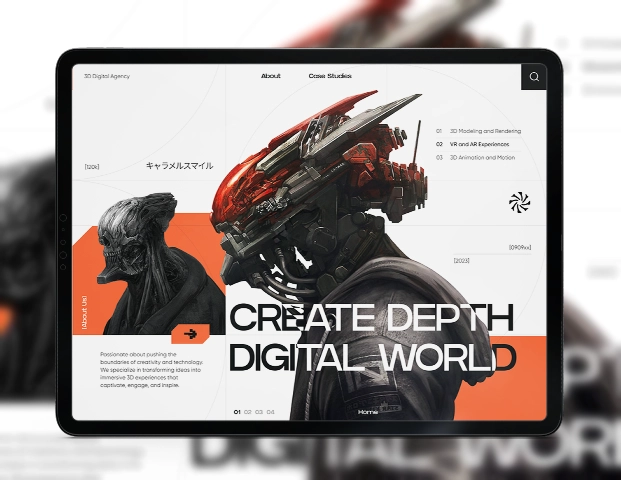
SEO Meets Web Design: The Formula for Online Success
How SEO-Focused Web Design Helps Businesses Rank Higher
Table of Contents
The 2026 era doesn’t consider having a website as the only indicator of a strong digital presence. Every business needs a website that is not merely well-designed but also strategically built to rank well in search engines and convert visitors into customers. This is the part where the crucial role of SEO- focused web design comes into play. Beyond aesthetics, an SEO-optimized website performs well, loads quickly, and is easy to navigate. So if you have a website that is struggling with visibility, you are at the right place! Keep reading to know how an SEO-focused approach can help your website rank higher and attract organic traffic in no time!
What Is SEO Focused Web Design?
SEO-focused web design is the process of creating websites that are well-optimized for users and search engines. These websites not only focus on the design appeal but also hold a strong foundation of the technical aspects associated with the SEO rankings. An SEO-focused web design holds a strong combination of:
- Technical SEO
- User experience
- Mobile responsiveness
- Fast loading times
- Search-friendly structured content
Most of the businesses are now focusing on implementing SEO strategies during the design process rather than treating it as an afterthought. This significantly makes it easier for the search engines to crawl a site while directly improving the engagement metrics associated with it.
An affordable web design Dublin service can help you connect with experts who can implement both skills in one process.
Why SEO And Website Design Need To Work Together?
Search engines analyze the user response on a website. If a visitor experiences slow loading times and difficulty navigating the website’s structure, it automatically has a negative impact on the website’s rankings.
However, most of the businesses make the biggest mistake of treating SEO and web design as separate processes! The truth is, a well-designed website without an SEO strategy won’t rank high, whereas an SEO-optimized website with poor design will struggle to rank high.
When both of these factors work together, a business enjoys the following benefits:
- Higher search engine rankings
- Better user engagement
- Increased conversion rates
- Competitive advantages
What Are The Components That Are Necessary For SEO and Web Design?
Collaboration between SEO and design teams is necessary to ensure websites are ranked highly. SEO practices are no longer limited to stuffing keywords within a single page. Let’s take a look at the design practices that significantly contribute to search engine visibility.
Mobile First Design
Search engines now prioritize mobile-first indexing. According to stats, over 60% of users browse on mobile devices. A mobile-optimized website ensures a seamless experience across all devices, enhancing search rankings and engagement.
Businesses are now implementing the following key practices,
- A responsive design
- Touch-friendly navigation
- Optimized images for mobile
Website Speed
The use of heavy images and complex layouts often disrupts the loading times of a website, which results in a poor user experience. However, speed optimization can elevate the browsing experience while meeting the user expectations.
The ways to improve speed are,
- Compressing images
- Using fast hosting
- Minimizing codes (CSS, JavaScript)
- Enabling browser caching
Clean And Structured Navigation
Search engines make use of bots to crawl a website. A messy site structure makes it harder for search engines to index a page. However, a structured navigation provides a clear understanding of your site to search engines enhances the UX.
The SEO-friendly practices for navigation are:
- Clear menu hierarchy
- Logical page structure
- Internal linking
- Bread crumbs
Image Optimization
Images can elevate the visual appeal, but can slow down the website if they are not optimized properly. The use of high-quality images, videos, and infographics can improve accessibility and lead to better search rankings.
Just make sure to,
- Use compressed image formats
- Add descriptive alt texts
- Use proper file names
Consistent branding, including professional business logo design, enhances user experience by making your website visually cohesive and memorable.
Optimized URLS And Site Architecture
A clear URL structure improves click-through rates, search engine indexing, and user trust.
The best practices for improving the websites URl are:
- Using short, descriptive URLs
- Adding target keywords
- Avoiding unnecessary parameters
On Page SEO Elements
Search engines rely on certain design elements to understand the content present on your site. Proper on-page optimization boosts chances of ranking for target keywords.
The most significant elements are:
- Title tags
- Meta descriptions
- Header tags (H1, H2, H3)
- Keyword placement
- Alt text for images
User Experience Signals
User experience sends signals to search engines. Here is how web design affects the UX:
- Simple navigation keeps the users engaged
- Clear CTAs improve interaction
- Readable layouts boost usability
Content Readability
Content is the king of the website, but design decides how it is consumed. Content readability keeps the user engaged longer and reduces the bounce rate.
The SEO-friendly content includes:
- Short paragraphs
- Clear headings
- Bullet points
- Visual hierarchy
Secure And Accessible Design
Search engines strictly prioritize security. Moreover, users trust secure websites more, and accessibility improves reach and usability.
The most common practices for securing sites are:
- HTTPS encryption
- Secure hosting
- Accessibility standards (WCAG)
Schema Markup And Structured Data
Schema markup helps search engines promote a better understanding of your content. The benefits include rich snippets in search results, higher click-through rates, and improved visibility!
The common examples include:
- Product schema
- FAQ schema
- Review schema
Moreover, structured data enhances how your website appears in the search results while making it more attractive to users.
FAQS
- How can I monitor the results of my SEO efforts?
You can track audience behavior through the integration of SEO tools and analytics. Tools such as Google Analytics, Google Search Console, and heatmaps can help you identify SEO issues and uncover areas for improvement.
- How often should I update my website for SEO?
Regular updates on the website for improving content, fixing technical issues, and optimizing performance are necessary. This helps with maintaining and improving rankings at a steady rate.
- How does SEO improve a business?
SEO is a highly important factor. It enables businesses to eliminate the need to spend money on advertising by increasing organic traffic to their websites. When a website ranks higher, it boosts engagement rates, elevates sales, and helps in gaining more loyal customers.
Wrapping Up
SEO-focused web design is an extremely essential practice for businesses that want to succeed online. All it takes is the right combination of technical optimization, user experience, and strategic content, and businesses can create websites that not only rank higher but also convert visitors into loyal customers. Remember, investing in SEO-friendly design ensures your website becomes a powerful tool for growth, visibility, and long-term success as it opens easy pathways for search engines to crawl and index your site!

I am a seasoned designer and content creator for Logo Design Ireland Blog, where I combine design expertise with actionable advice for business owners. My articles cover everything from logo trends and branding psychology to practical design tips that help Irish entrepreneurs elevate their brand identity.