

Magazine Cover Design Tips for Young Creators
Table of Contents
Your magazine cover literally has one job: stop someone from scrolling past it.
- Do not inform them.
- Don’t impress them.
Just stop them long enough for them to want to know more.
As easy as it looks, it is surely not because the biggest cover design mistakes aren’t technical. They are conceptual. And only a professional designer can help you get everything right.
Congratulations! Your wish is granted. A blog about how to force-stop scrolling and get noticed is at your service. It will dive into the fun stuff and make sure beginners aren’t confused.
Magazine Cover Design Tips for Young Creators
Most of the rookie-level covers look the same. Same centred text, same stock image, and too many colours. Even the font styles are identical because they are all using the same software. This proves that bad designs are not a skill problem. It is a decision problem.
It basically means that every element on a cover needs to be chosen, not defaulted.
- Why this image?
- Why this typeface?
- Why this colour?
When you can answer those questions, the cover page starts to feel well thought out. In a nutshell, this is what separates a good cover from a great one.
You Really Need Professional Help
There comes a point in every career when learning by doing is especially valuable. But there is also a time when working with an expert is the best way to move forward. If this is your first time, don’t be afraid to ask for help. It is the fastest way to learn.

But even if you are experienced, some projects are just too big to handle alone. Hire a professional logo design agency, and you will get a strong logo to start with. Once you have a solid base, you can proceed to build the rest of your cover.
Lesson? Asking for help isn’t a sign of failure. It’s a smart way to get great results. Now, let’s go through the few basic tips that you need before you hire an expert. You have to have them.
Tip #1: Start With the Visual Hierarchy
You need to understand hierarchy. It is the order in which a viewer’s eye moves across the page. The good news is that you can control it through:
- Size
- Contrast
- Placement
- Colour
This is why most magazine covers follow a loose priority. According to this hierarchy, the hero image comes first. Then the masthead (the title) and the cover lines. This helps the reader’s eye move from the biggest, boldest thing to the next, then the next. Below is a clear depiction.
| Element | Purpose | Typical Priority |
| Hero Image | Sets the pace and draws the eye | 1st |
| Masthead / Title | Brand identity, recognition | 2nd |
| Cover Lines | This is the place for tease content | 3rd |
| Barcode / Date / Price | Here comes the functional info | Last |
Tip #2: Pick One Dominant Colour
We know the temptation to add more colours, but hey! You should not act on it. The max you need is just 5 colours on a magazine’s front cover. After all, the aim is to keep it bold. Not noisy.
So, pick one dominant colour only and let everything else support it. For those who are new to this, you can start with a strong hero image. It usually gives you the dominant colour naturally. It is easier to pull from it rather than fight against it.
Tip #3: Typography is Half the Cover
Did you know the font you choose communicates before the words do? It is true. We mean, just look at a serif master headline, it already feels editorial and established. A hand-lettered style, on the other hand, feels personal and independent.
Another important hack is to match the font to the magazine’s identity. The front page of a student arts magazine and a student finance publication shouldn’t look like they came from the same template. So, make sure the typeface you use reflects the publication’s voice.
Tip #4: Hero Image Makes or Breaks Everything
Experienced designers from more than two publications agree that no amount of good typography can ever save a weak hero image. They say the image is doing the heaviest lifting on the cover; this is why you need to treat it accordingly.
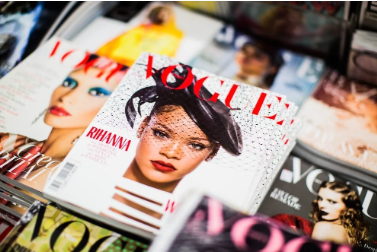
But working for a college magazine cover design, the budget is low, and the photographers are students themselves. What to do then? The best solution is to be selective and crop wherever required. Honestly, there is no harm in that. Apart from that, make sure the image and the cover lines don’t fight for the same space.
Tip #5: White Space is NOT Useless
You read that right: that empty window between the design elements is not useless. We had to include this rule in the blog because, as our experience suggests, people who are new to design often think that filling every corner is a great idea.
Little do they know that it is an expert’s job to protect empty space. The white space, also known as negative space, gives the eye a place to rest. It makes the elements that are on the cover feel more important. All in all, you don’t need to fill the whole page to make a strong cover. Sometimes the boldest design decision is to leave something out.
Common Cover-Designing Mistakes
Before you repeat them yourself, it is very important for you to learn. The first mistake is having too many cover lines. In our experience, three to five is enough. Try more than that, and the cover starts feeling like a contents page.

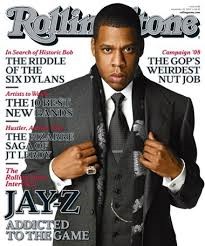
The next point to understand is that you must not place text over the busiest part of the image. If both are competing for legibility, one will certainly lose the fight, ruining the overall harmony of the cover page. Hence, always place text over the calmer areas of the image.
Such as the sky, background, negative space, and try using contrast to keep it readable. Last but not least, the error of inconsistent margins. They can make a cover feel unfinished. This is why you should always set a grid before you start and stick to it.
FAQs
- How do I choose the right hero image?
You need to look for strong composition, a clear focal point, and enough negative space for text placement. Apart from this, the subject should feel relevant to the issue’s theme.
- What are the most common design mistakes?
- Adding in too many colours, fonts, or cover lines.
- Placing text over busy areas of the image.
- No clear visual hierarchy and everything clashing.
- Ignoring margins and grid structure from the start.
- Does a student magazine cover need a barcode?
Yes, but only if it is going to retail distribution. For internal college distribution or digital publication, a barcode is optional. It adds a professional finishing detail, though.
- How important is the masthead design for a magazine?
It is extremely important because it carries across every issue and builds recognition over time. Moreover, getting it right from the start is far easier than redesigning it after three issues.
Final Thought
A little funny, but 100% true: ‘Good design comes to those who slow down.’
This is why you need to make every choice on purpose, rather than just going with the first thing you see. In addition, your goal isn’t to fit everything on the page. Your goal is to pick the right things and put them in the right spots. So, make sure to leave some empty space on the cover; it helps your page look less crowded. Just keep implementing all these tips every time you design something, and your work will always look great.

I am a seasoned designer and content creator for Logo Design Ireland Blog, where I combine design expertise with actionable advice for business owners. My articles cover everything from logo trends and branding psychology to practical design tips that help Irish entrepreneurs elevate their brand identity.