
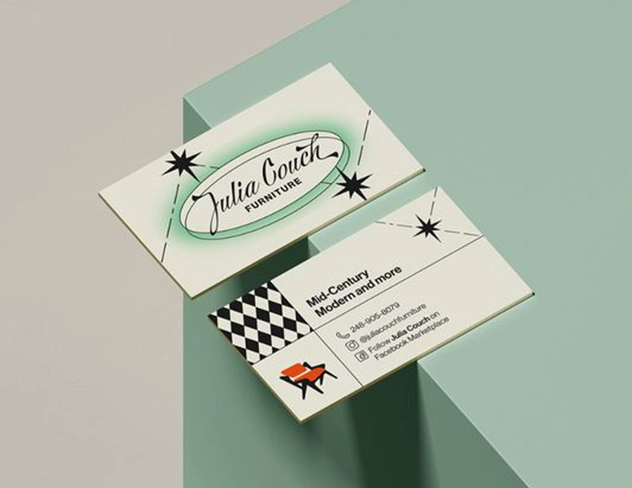
How A Business Card Design Can Impress People Instantly
Table of Contents
First impressions are essential in the professional world. People form judgements within seconds. Digital connections, LinkedIn requests, and QR codes dominate the world in 2026. Amidst this, a well-designed business card remains one of the most powerful tools in a professional’s networking strategy. It is more than just a piece of paper with your phone number on it. It is a physical extension of your brand.
When you hand someone a card, you aren’t just sharing contact information; you are delivering an experience to them! This exchange is often the very first touchpoint a potential client or partner has with your business. Keep reading to learn how thoughtful business card design transforms a simple introduction into a lasting first impression.
Why First Impressions Matter In Business?
First impressions are formed quickly and tend to stick. When you hand someone your business card, it becomes a reflection of your professionalism, attention to detail, and brand personality.
However, a poorly designed card can signal carelessness or lack of credibility. On the other hand, a well-crafted business card design can instantly communicate:
- Trust
- Creativity
- Competence
It sets the tone for future interactions and can even influence whether someone decides to follow up with you.
How Some Elements Of A Business Card Design Can Set A Perception About Your Brand?
Here is how a business card decides what people will say about your brand.
1. The Psychology of Tangibility
The audience you are targeting now lives among digital ads and is actually bored with them. They get to see thousands of ads and profiles every day, most of which are forgotten within seconds.
A physical business card breaks that cycle through its tangible factor. It utilizes the way our brains remember things through touch.
Here is what makes it so special.
- Weight and Texture
Think of a thick, premium cardstock, and it instantly suggests stability and quality. On the other hand, a thin card can subconsciously signal that your business is amateur or temporary.
- The Physical Details
When someone puts your card in their pocket or on their desk, you have a physical presence in their life. You aren’t just another name in an inbox; you hold a tangible presence that they have to interact with again!
2. Visual Hierarchy- Guiding the Eye
A common mistake in card design is to overcrowd the card with unnecessary details. When a card is cluttered, the brain gets overwhelmed and remembers nothing.
However, an effective design uses visual hierarchy to tell the viewer what to look at first.
The essential elements that you need on the card include:
- The Logo
This should be the most prominent visual element as it establishes brand recognition.
- The Name
Your name should be clear and easy to read, usually in a slightly bolder or larger font than the contact details.
- White Space
Also known as negative space, this is the breathing room around your text. It makes the card look sophisticated and professional!
3. Color Theory and Brand Personality
Colors evoke emotions. The palette you choose for your card tells a story before the recipient even reads a single word. So make sure to use colors wisely.
The common options include:
| Color | Uses |
| Blue | It is often used by financial and legal firms to communicate trust, reliability, and calm. |
| Black and Gold | These colors scream luxury, exclusivity, and high-end service. |
| Green | Perfect for wellness, eco-friendly brands, or growth-oriented consulting. |
| Vibrant Red or Orange | These suggest energy, passion, and an enthusiastic personality. |
By aligning your card’s colors with your brand’s mission, you create a cohesive identity that feels right and real to the person who holds it!
4. Typography-The Silent Brand Ambassador
Typography is often overlooked, but it carries immense weight in the card. The fonts you choose speak volumes about your professional style and preferences.
| Font Style | Perception | Best For |
| Serif | Traditional, reliable, established | Law firms, academics, and luxury brands |
| Sans-serif | Modern, clean, and approachable | Tech startups, creative agencies |
| Script | Artistic, personalized, elegant | Photographers, wedding planners |
Remember that typography shouldn’t be at risk, as it indirectly affects the readability. Never go smaller than an 8pt font.
If your potential client has to put in extra effort to find your email address, the first impression can turn from frustrating to fascinating!
5. The Extra Mile Finishes
In a stack of twenty-five cards collected at a conference, how do you make yours the one that gets kept?
Professional finishes can elevate a standard design into a strong source of conversation.
These extra details can help you with designing a perfect business card and will elevate the quality of the card instantly. Some of them include:
- Spot UV
This applies a glossy coating to specific areas such as your logo, making them easily pop off the matte background.
- Foil Stamping
Adding metallic accents provides a sense of prestige and a luxurious experience.
- Die-Cutting
Changing the shape of the card. You can use rounded corners or a custom cutout that can make the card feel unique in the hand.
- Letterpress
This adds a cut on the edge of the paper, which instantly gives the card a handcrafted, artisanal feel!
6. Integrating the Digital World
A strong first impression today involves bridging the gap between the physical and the digital. Including a QR code is no longer a technical option. It has turned into a functional necessity.
A well-placed QR code can lead to:
- A personalized video greeting
- A portfolio of your best work
- A direct “Add to Contacts” link!
The addition of a QR code has made it easy for the recipient to move from the card to your digital ecosystem. It shows that you are forward-thinking and respect their time.
7. Consistency is Key
Your business card shouldn’t be a random design. It must match your website, your email signature, and your social media presence!
Consistency builds brand equity. When a client sees the same logo and colors on your card that they saw on your website, it reinforces the idea that you are a legitimate, organized professional in your field.
How Does A Business Card Design Influence Perception?
Your business card design can subtly influence how people perceive your business. When the above-mentioned details combine to form a visually appealing card, here is what happens next:
- Professionalism
A polished design signals that you take your work seriously. It shows attention to detail and commitment to quality, something the customers prioritize first when they are looking for a reliable partner.
- Creativity
Unique layouts, bold colors, or innovative shapes can demonstrate creativity, especially when it comes to important industries like design, marketing, and media.
- Trustworthiness
Consistent design elements build trust. When your card matches your website, social media, and other branding materials, it reinforces reliability.
- Memorability
A distinctive card is more likely to be remembered. This increases the chances of follow-up communication, something that is the first step leading to huge partnerships.
What Are The Modern Trends in Business Card Design?
Most of the professionals are embracing contemporary design trends to stand out in a competitive environment. Take a look at the current insights of the business card design industry.
- Minimalist Design
Less is more. The use of clean lines, simple fonts, and limited color palettes creates a sleek and professional look.
- Unique Shapes and Sizes
Non-traditional shapes can grab attention, but they should still be practical and easy to store. Don’t fall into the trap of getting extra decorative when it comes to the card details.
- Textured and Premium Finishes
Embossing, foil stamping, and soft-touch finishes add a tactile dimension that enhances the user experience. It shows that your business is constantly moving ahead as per the latest trends.
- QR Codes and Digital Integration
The addition of a QR code has offered next-level convenience to the audience. It allows recipients to quickly access your website, portfolio, or contact details, bridging the gap between physical and digital networking.
How to Design a Business Card That Stands Out?
Creating a memorable business card doesn’t require a huge budget. All it demands is smart design choices that will change your networking game.
- Focus on Simplicity
A clean design is easier to read and more visually appealing. You also need to go for a subtle company logo design Ireland.
- Highlight Your Unique Value
Include a tagline or short statement that communicates what makes you different from competitors.
- Use Both Sides
Maximize the card space by using the back of the card for additional information or design elements.
- Invest in Quality Printing
Even the best design can fall flat with poor printing. Choose a reliable printing service to ensure high-quality results.
What Are Some Common Mistakes to Avoid On A Business Card?
Even small design errors can weaken your first impression. Here are some common pitfalls:
- Overcrowding the card with too much information
- Using low-resolution images or poor-quality printing
- Choosing hard-to-read fonts
- Ignoring alignment and spacing
- Inconsistent branding across platforms
Avoiding these mistakes ensures your card looks polished and professional.
FAQs
- Do people still use business cards in 2026?
Yes! Business cards are highly valued in 2026 because they have evolved with high-quality design and digital technology.
- How many colors should a business card have?
A business card should generally have one to three primary colors that perfectly align with your brand as well.
- Should I create a double-sided business card?
Yes! In 2026, double-sided business cards are highly valued as they offer more space, which avoids chances of crammed texts and improves readability.
Final Word
Your business card is the leave behind that represents you when you are no longer in the room. A poorly designed card says you don’t care about details, and a beautifully designed one says you are precise, professional, and proud of what you do! So make sure to invest in your design, choose your materials wisely, and remember: you are never going to get a second chance to make a first impression!

I am a seasoned designer and content creator for Logo Design Ireland Blog, where I combine design expertise with actionable advice for business owners. My articles cover everything from logo trends and branding psychology to practical design tips that help Irish entrepreneurs elevate their brand identity.