
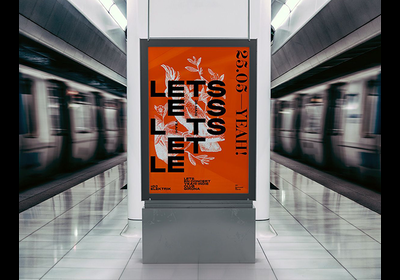
Ways Color Psychology Improves Poster Design
How Color Psychology Improves the Impact of Poster Design
Table of Contents
Poster design is more than just putting text and images on paper. Colors play a big role in how people see and feel about a poster. The right colors can grab attention, share a message quickly, and make people remember the design. That is why color psychology is an important part of poster design today.
Think about the last poster that caught your eye. Maybe it had bright red text, calming blue tones, or bold yellow highlights. Colors speak to our emotions before we even read the words. A well-designed poster can stop someone for a moment, make them curious, and deliver a message in seconds.
Why Do Colors Matter So Much in Poster Design?
Colors are powerful. They affect how people feel and how they react to a design. When used the right way, colors can make a poster more exciting, more clear, and easier to remember.
Many poster designers spend time choosing colors carefully. They study how different shades influence mood and attention. A bright color may attract attention, while a soft color may create a calm feeling.
Here is a simple example of how colors influence emotions:
| Color | Common Feeling or Message |
| Red | Energy, urgency, excitement |
| Blue | Trust, calm, reliability |
| Yellow | Happiness, optimism |
| Green | Nature, growth, balance |
A poster with the right colors can guide the viewer’s eyes. It can highlight the most important message first. This helps people understand the poster quickly, even if they only look at it for a few seconds.
Because of this, color is not just decoration. It is a powerful communication tool in poster design.
How Do Different Colors Influence People’s Emotions?
Colors can change how people feel in just a few seconds. When someone looks at a poster, the color is often the first thing they notice. Before reading the text, the mind already reacts to the colors.
Warm colors like orange, red, and yellow feel energetic and strong. They can create excitement and quickly grab attention. This is why these colors are often used for sales posters, events, or promotions.
Cool colors like blue and green create a calm feeling. They make a design look more peaceful and trustworthy. Many posters for health, education, or environment topics use these colors.
Here is a simple look at how colors affect emotions:
| Color Type | Feeling It Creates | Example Use |
| Warm Colors | Energy and excitement | Sales or festival posters |
| Cool Colors | Calm and trust | Health or education posters |
| Neutral Colors | Balance and simplicity | Modern and minimal posters |
When colors are used in the right way, a poster becomes more powerful. People understand the message faster and remember the design longer.
How Do Brands Use Colors to Make Posters Stand Out?
Brands know that color can make a big difference in design. When a company creates a poster, it wants people to notice it quickly. That is why many businesses work with experts when they design posters and other visual materials.
A design company logo is also created with the same idea in mind. Colors are chosen carefully so people can recognize the brand easily. When the same colors appear on posters, websites, and advertisements, the brand becomes easier to remember.
For instance, a bold and bright color can make your poster stand out in a busy place like a street or shopping mall. Soft colors can make a design feel more elegant and professional.
Good poster design uses color in a smart way. The right mix of colors can guide the viewer’s eyes, highlight the most important message, and make the design more attractive.
How Can the Right Color Choice Make a Poster More Powerful?
Choosing the right colors can make a poster much stronger, and colors help guide the viewer’s eyes. They show people where to look first and what message is most important.
For example, bright colors can highlight a headline or an important word. When someone walks past a poster, their eyes quickly move to the brightest or boldest part of the design. This helps the message stand out.
Designers also use color contrast. Contrast means placing light colors next to dark colors. This makes the text easier to read. It also helps the poster look clearer and more balanced.
Another useful technique is limiting the number of colors. Too many colors can make a poster look messy, and simple color combinations often work better. When a poster uses two or three strong colors, the message becomes clearer.
Here are a few simple color tips often used in poster design:
- Use bright colors to grab attention.
- Use darker colors for text so it is easy to read.
- Keep the color palette simple.
- Use contrast to highlight important details.
Colors also help in supporting the theme of the poster. For example, green shades are usually for nature campaigns. Blue is commonly used in technology or health posters. Bright yellow and red are used for sports, concerts, events, and sales promotions.
When the colors match the message, the poster feels more natural and engaging. People understand the idea faster and remember the design longer.
A well-designed poster is not only about images and words. The colors help bring everything together. They create emotion, guide attention, and make the message stronger.
Frequently Asked Questions
- What is color psychology in poster design?
Color psychology is about how colors make people feel and behave. When you make a poster, you want to use colors that will get people’s attention and make them remember what you are saying.
- How do colors influence people’s emotions?
Colors like red and yellow are warm. They can get people excited and give a lot of energy. On the other hand, colors like blue and green are cool, and they can make people feel calm and trust you. Then there are colors that help balance out the design of the poster.
- Why do brands choose colors for posters?
Brands choose colors for their posters because they want them to match who they are and what they are saying. When brands use the same colors, people can recognize them easily and remember them for a long time.
- How can a poster designer use colors effectively?
A poster designer can use them in a way that helps people see what is important. They can use them to highlight the key points and make sure the words are easy to read by using contrast.
The Ending Notes
Colors are not something that makes a poster look nice. The colors that you choose for poster designs create emotions, attract people’s attention, and make messages simpler to remember.
When you use colors carefully in poster design, you can make it powerful, clear, and memorable.
From grabbing attention with bright shades to creating calm with cool tones, every choice matters. Posters that use color psychology well are more engaging and more effective. Whether for advertising, events, or brand promotion, smart color use makes a huge difference. Together with clear text, images, and a strong layout, the right colors bring a poster to life.

I am a seasoned designer and content creator for Logo Design Ireland Blog, where I combine design expertise with actionable advice for business owners. My articles cover everything from logo trends and branding psychology to practical design tips that help Irish entrepreneurs elevate their brand identity.