
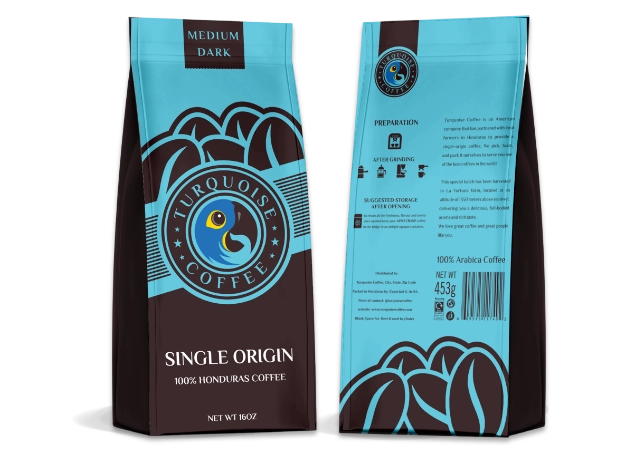
How Good Packaging Design Helps Your Product
Table of Contents
Brown paper or boxes are still in use, but it is an old trend. Businesses are now using packaging design as a powerful tool to build relationships with customers and leave a lasting impression. Packaging is not only about how nice it looks, but it is also a way of speaking to the consumers at multiple levels.
Wrapping a product is not only about aesthetics but also about how it feels in your hands and how it tells a brand story. A good packaging design helps the brand boost product sales, communicate, build trust, and influence people.
Why Good Packaging is Important for Your Brand
Consumers take only 7 minutes to build a first impression from a shelf or online parcel design. High-quality packaging associates the product’s quality and builds trust through eye-catching design. Consistency is a must when designing a package, including colors and fonts like Apple’s minimalist white boxes, to get more loyal customers.
Triggering consumer psychology through brand design is crucial for long-lasting customer relationships. For example, luxury packaging like gold foil feels premium, and eco-friendly options attract sustainability-conscious individuals. Emotional triggers may feel connected, and consumers are more likely to buy your product.
Unique shapes, bold colors, and creative designs may help your products stand out at a glance. Must place your logo as it builds your brand identity. You may design a logo with the help of the best logo designer Ireland.
Top Practices for a Good Packaging Design
Designing a good packaging for your brand requires best practices and understanding of the product and consumers. Here are the top five best practices you should follow:
- Understand Your Audience: Before designing a package, it is essential to understand the target market of the consumers and their values and preferences. Design a package that reflects the customers’ taste, whether modern, sleek, aesthetic, or bold.
- Avoid Clutter and Use Simple Design: Best to add the benefits, a simple logo, and design on your box pack. Avoid clutter text to not distract the consumer’s attention.
- Research the Competitors: Review market trends and competitors to understand their packaging tactics. Set your brand apart with your unique brand design and identity.
- Design that Reflects Your Brand: Be consistent with your brand colors, fonts, and logos to tell the story behind your business.
- Protect the Product: Consider transportation, storage, and protection factors before designing a package to prevent damage. Product protection can prevent customer complaints and parcel returns, which can negatively impact a company’s reputation.
Steps to Make the Best Packaging Design
You need to analyze the basic needs of a product packaging that are utility and durability. It is better to look for some of the most reliable Irish product packaging design companies for assistance. Then you jump into the decorations and shipping needs. Here are the simple steps you need to follow to design creative yet durable packaging designs for your product.
1. Shield Your Product
Use bubble wrap, air pillows, or craft paper to protect your product from damage during shipment. These may not be directly subject to the product packaging, but think about how your audience will react to it.
2. Decorative Fillers
For a more aesthetic presentation, you can use decorative fillers such as crinkle paper, threads, or tissue paper. These may not shield your product, but they are essential to your overall package design.
3. Inserts
Inserts are the key component of your product packaging that sets your brand apart from others. Use free-standing items like business cards, free coupons, thank-you notes, or any promotional products.
4. Valuable Text
Text such as brand and product names, logos, instructions, slogans, and expiration dates is necessary for your product package. Before sending the package for printing, ensure you have included all the information precisely.
5. Images
Finalize and organize the images you want to add to your package design. Consult your design partner for the file requirements and image quality. The images and text could be placed differently on a cardboard, as it is placed on the glass, or on tissue paper.
6. Consider Packaging Trends
Packaging styles and trends change over time, just as in the music and fashion industries. Research market trends and discuss their lifespans with your design team. The top trends of product packaging these days are:
- Eco-friendly Packaging: Sustainability is about a lower negative impact on the environment. Brands are still finding ways to set themselves apart with eco-friendly solutions. Examples are cardboard boxes, reusable containers, etc.
- Customized Packaging: Gen-Z prefers customized products and packaging. If you want to satisfy this group of people, you need to design a personalized package. For example, customized pouches, personalized cups, etc.
- Functional Packaging: The packaging that is usable for now and in the future is determined by the product and the target market. This type of packaging complements the consumer lifestyle. Examples can be the microwaveable tray, integrated utensils, etc.
Frequently Asked Questions—FAQs
- How can good packaging affect product sales?
An effectively designed package grabs the customer’s attention, builds trust and a relationship, and emotionally connects with consumers, leading to more sales.
- Can a good packaging design improve consumer loyalty?
A consistent packaging design with a memorable experience and emotional connection improves customer loyalty and leads to repeat sales.
- What are the top key characteristics of good packaging?
The main key characteristics of a good package are the quality, brand consistency, functionality, colors, and typography.
Wrap Up!
Good packaging design is a crucial component of a business’s marketing strategy. Eye-catching, intensive design can have a significant impact on the brand’s first impression.
Considering the audience need is critical, as are market trends, competitor research, brand reflection, and product protection. Brands must protect the product, add fillers, use inserts, print informative text and images, and follow market trends to stay ahead. Packaging design plays an important role in enhancing product visibility and value, driving repeat purchases, improving unboxing experiences, and increasing ROI.